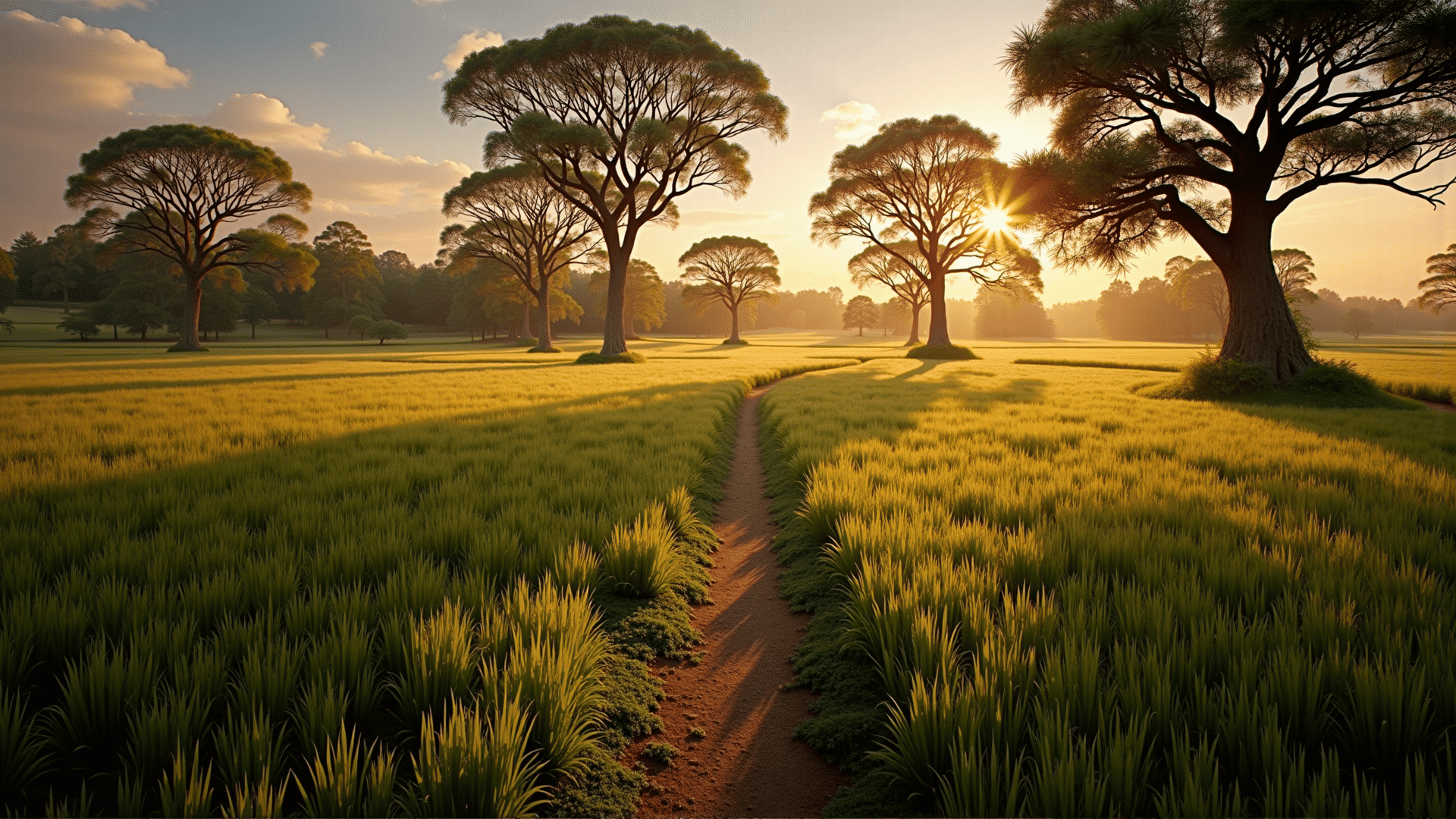
Capturing the perfect photograph often hinges on harnessing the power of natural illumination. Light, in its purest form, plays an essential role in shaping the mood, texture, and overall impact of an image. This guide explores how various elements such as the time of day, weather conditions, and location can elevate your photography by transforming an ordinary scene into a breathtaking masterpiece.
Understanding the Time of Day
The sun's position in the sky affects the quality and direction of light, influencing shadows, hues, and contrast in your photographs. Early morning and late afternoon, known as the "golden hours," are ideal for capturing soft, warm tones that create a magical atmosphere. The light is diffused, resulting in gentle shadows and a warm, inviting glow.
Midday light, though harsh due to its intensity, offers unique opportunities for experimentation. Strong sunlight can cast striking shadows and highlight textures, adding character to urban landscapes or architectural subjects.
Exploring Weather and Its Effects
Weather conditions significantly alter the ambiance of your photographs. Overcast days provide a natural diffuser, offering soft, even illumination that minimizes harsh shadows. This is perfect for portraiture, as it highlights the subject's features without creating unwanted contrasts.
Rain or drizzle introduces an element of unpredictability but can be harnessed to add emotion or drama. Raindrops can create beautiful reflections on surfaces, while clouds can create dramatic backdrops that enhance the mood of an image. A misty morning or foggy landscape also evokes mystery and intrigue, making it an excellent setting for storytelling.
Mastering Location and Light Interaction
Every location possesses unique lighting characteristics determined by its surroundings and geographical position. Bodies of water, for instance, reflect sunlight, creating shimmering effects that can accentuate natural beauty. Forested areas filter sunlight through leaves, resulting in dapples of light that dance across the ground.
Urban environments, with their reflective surfaces and myriad of structures, provide opportunities for creative interplay between natural light and architectural elements. Using this to your advantage, you can frame scenes where light converges or bounces off surfaces to create visually arresting compositions.
Conclusion: Embracing Natural Light
Mastering the art of natural illumination requires patience, observation, and experimentation. Understanding the nuances of how light interacts with different times, weather conditions, and locations allows photographers to make informed choices that elevate their work. By embracing the dynamic qualities of natural light, you can transform everyday moments into captivating visual stories, each with its own unique flair and emotional depth. Remember, the key to natural photography is not just to see light but to feel it, allowing its power to guide your creative vision.