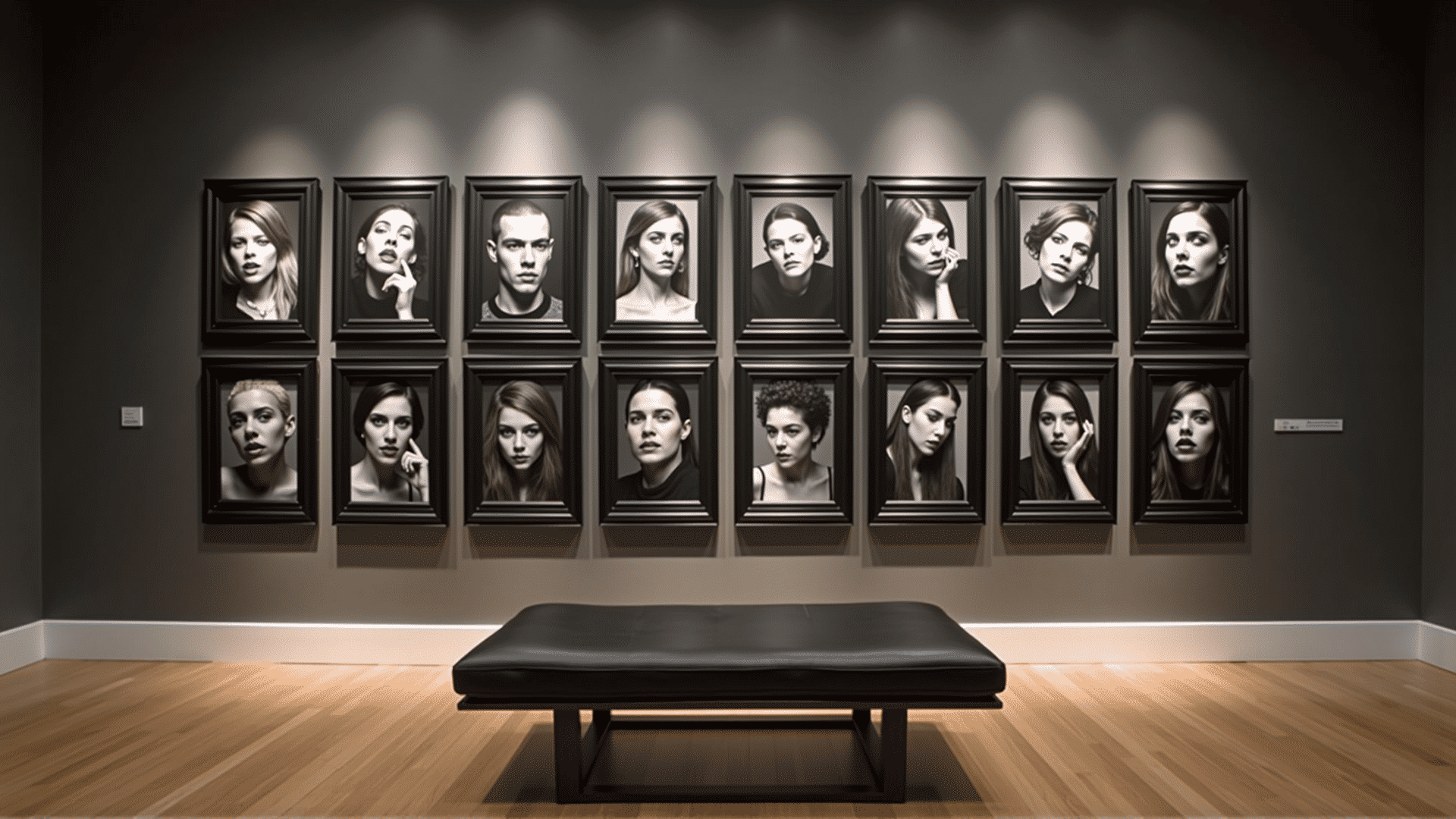
Delving into the art of photography, especially the works of iconic photographers, reveals a great deal about the nuanced application of composition principles. These visual wizards possess the innate ability to craft images that linger in our minds, not solely due to their subjects, but also because of the way they arrange elements within the frame. Let's explore some of their most influential composition techniques and learn how we can bring those same principles into our own photographic practice.
Rule of Thirds
A fundamental yet powerful composition technique is the Rule of Thirds. Merrill Lynch, a renowned photographer known for her stunning landscape photos, often used this technique to create balance and harmony in her images. By dividing the frame into a grid of nine equal sections, subjects are placed along the lines or at their intersections. For instance, placing a captivating tree on a landscape’s vertical line creates a point of focus while allowing the viewer’s eye to naturally wander through the rest of the scene.
Leading Lines
Ansel Adams, a master of black-and-white photography, frequently employed leading lines to draw the viewer into his majestic landscapes. These lines guide the eye toward a specific point in the photograph, enhancing depth and perspective. Whether it’s a winding road, the curve of a river, or the edge of a mountain range, integrating leading lines into your images can create a more immersive experience.
Frame Within a Frame
Henri Cartier-Bresson, celebrated for his ability to capture decisive moments, often used the "frame within a frame" technique to add layers to his compositions. This involves using elements such as doorways, windows, or archways to literally frame the main subject. This technique adds depth and draws focus directly to the subject, creating a more engaging and dimensional image.
Symmetry and Patterns
Vivian Maier, a street photographer who captured mesmerizing urban scenes, often sought out symmetry and patterns. Symmetrical compositions provide a sense of order and stability, while repeated patterns can intrigue the viewer and highlight the unique aspects of a subject. By seeking out scenes where symmetry or patterns are present, you can create visually arresting images that invite closer inspection.
Use of Negative Space
Ernst Haas, a pioneer in the field of color photography, was adept at using negative space to accentuate the subject of a photograph. Negative space refers to the surrounding area around the main subject, and using it effectively can add simplicity and elegance to an image. By allowing significant space around the subject, you can convey a sense of scale and focus, often evoking stronger emotional responses.
Contrast and Juxtaposition
Diane Arbus, known for her portraits of marginalized individuals, often used contrast and juxtaposition. By placing contrasting elements side by side, photographers can create tension or highlight differences, adding a narrative layer to their work. This can be done in terms of both tone and content, such as capturing light against dark or elegance against decay.
Experiment with Perspective
Steve McCurry, famous for the "Afghan Girl" photograph, pushed the boundaries of perspective by shooting from unusual angles. This approach can transform the ordinary into the extraordinary, offering fresh insights into the scene. Shooting from a high angle can convey dominance, while a lower angle can magnify the subject’s stature or significance.
By studying the techniques of legendary photographers, we can glean insights into how they create such impactful imagery. Implementing these composition techniques into our own photography not only enhances visual appeal but also deepens the viewer’s connection to the photograph. The next time you pick up a camera, remember to experiment with these methods, and watch as your pictures transform into works of art.